Disability flags and symbols
Learn about the different flags and symbols used within our disability community.
On this page
You may have seen certain flags and symbols used to represent different disability communities. People use them to show solidarity, support, and pride in their community and raise awareness about their experiences.
If you’re a disabled person, it’s your choice whether you identify with, adopt, or use these flags and symbols. If you don’t feel a certain symbol represents you and what you’re about, that’s okay. On the other hand, you might see a symbol as a cool way to connect yourself with others in your community and show pride in who you are.
Here are some of the most used disability flags and symbols and the meanings behind them.
Disability Pride flag
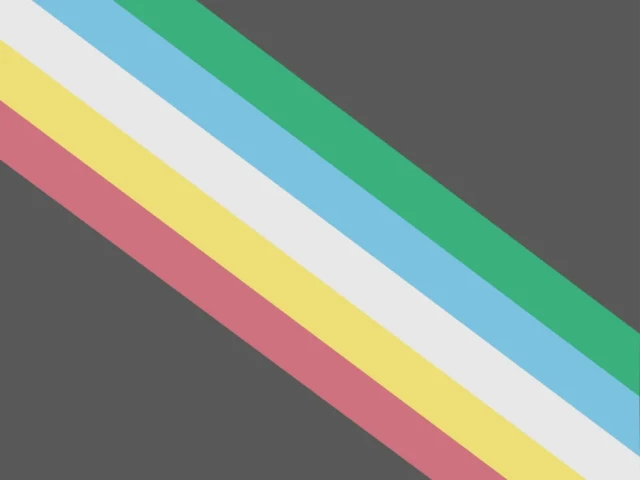
The Disability Pride flag or Disability flag represents people with any kind of disability.
The flag features a charcoal grey background with five parallel diagonal stripes in different colours. The diagonal stripes represent disabled people cutting barriers in their daily lives. Each colour represents different aspects of disability:
Red = physical disabilities
Gold = cognitive and intellectual disabilities, and neurodivergence
White = invisible disabilities and undiagnosed conditions
Light blue = psychiatric disabilities, including mental health conditions
Green = sensory disabilities, such as blindness and deafness
The original version of the flag, created by disabled activist Ann Magill, had a zig-zag pattern instead of stripes, as well as bolder colours. It was changed to stripes with muted colours to be more accessible for people with sensory sensitivities.
Deaf flag
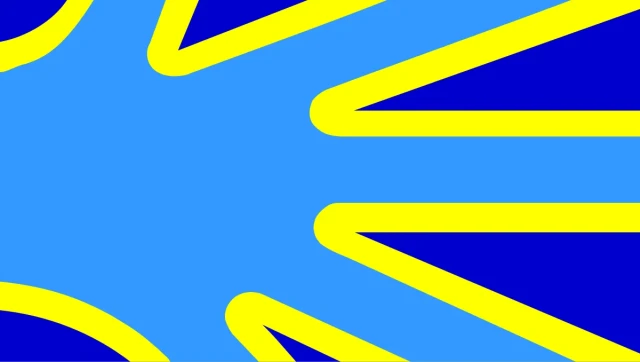
Since 2023, the Deaf flag or Sign Union flag has been officially recognised as the flag of the global Deaf community. The flag depicts a large open turquoise hand on top of another yellow hand. French Deafblind artist Arnaud Balard designed the flag and packed a lot of symbolism into it.
The turquoise hand represents sign language and the Deaf community, and the yellow hand is the support behind it.
The fingers stretch out beyond the flag to show the infinite reach of sign language.
Turquoise is the world colour of sign language and the deaf community.
Yellow represents light, life, energy, and hope
The dark blue represents the planet earth and humanity.
Neurodiversity infinity symbol
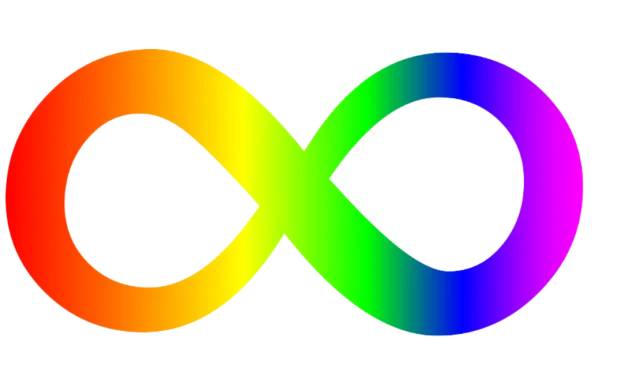
The rainbow infinity symbol is the most common symbol of neurodiversity. It represents the infinite variations in how human brains work, the unique strengths and limitless potential of neurodivergent people, and inclusion and understanding across all forms of neurodivergence. The rainbow colours represent the diversity and different experiences of the neurodiverse community.
You’ll see the rainbow infinity in a range of styles.
Autism infinity symbol

Some people like to use a gold infinity symbol to represent autism specifically instead of a rainbow one. The autism infinity symbol signifies infinite possibilities and that no two people with autism are the same.
Why gold though? Because gold is precious and unique. Also, the symbol for gold on the periodic table is Au, which matches the first two letters of the word autism.
Rainbow butterfly - ADHD
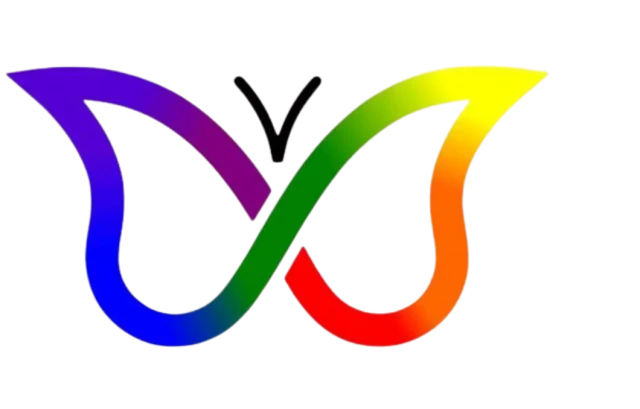
The rainbow butterfly is a symbol of ADHD. As it was inspired by the neurodiversity symbol, the rainbow butterfly is often depicted as an infinity sign reshaped into a butterfly.
The butterfly itself has a few different meanings in relation to ADHD:
A butterfly starts its life off as a caterpillar before it transforms into a butterfly. So, the butterfly symbolises the ability of people with ADHD to transform and adapt to life’s challenges.
The constant movement of a butterfly reflects the physical hyperactivity and quick shifting thoughts and feelings that people with ADHD may experience.
Butterflies have their own unique patterns and colour schemes, which relates to the fact that not everyone with ADHD will have the same experience.
The butterfly also represents hope, freedom, and creativity.
The rainbow colouring reflects the diversity in experiences and ways of thinking for people with ADHD.